
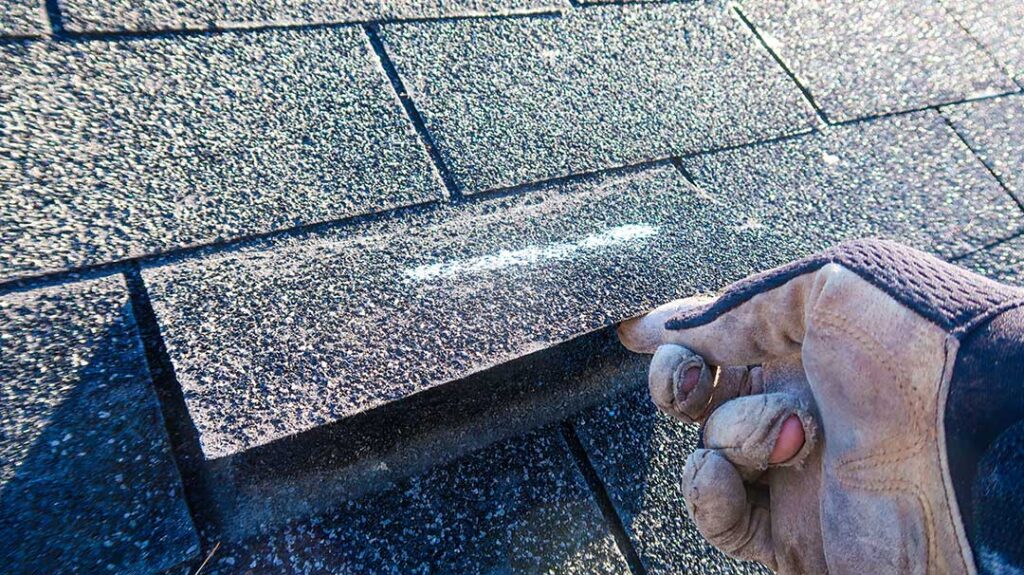
A baseball, softball, soccer ball, or basketball may seem harmless compared with hail or a fallen branch. However, a hard, fast-moving ball can damage roofing materials, loosen flashing, crack a skylight, or create a small opening that allows water to enter later.
For homes in Phoenix, NY, this type of damage is most likely around backyard play areas, driveways, attached garages, and homes near school fields or recreational spaces. The damage may be minor at first, but repeated impacts can shorten the service life of roofing components.
What parts of a roof can a sports ball damage?
The most vulnerable areas are roofing components that are brittle, exposed, or designed to shed water through overlapping joints.
A hard impact may affect:
- Asphalt shingles, especially older or weathered shingles
- Ridge caps and hip caps
- Metal flashing around chimneys, walls, vents, and roof edges
- Vent covers and plastic plumbing-vent components
- Skylights and roof windows
- Gutter sections, downspouts, and fascia
- Solar panels or other equipment mounted above the roof
- The sheathing beneath the shingles if the impact is severe
The ball does not always need to break a shingle in half to cause a problem. It may loosen the shingle’s adhesive seal, lift an edge, or create a crease that becomes more noticeable after wind, rain, freezing temperatures, and snow.
How can a ball cause a roof leak?
A roof leak usually develops when an impact interrupts the roof’s water-shedding system. Shingles are installed in overlapping courses, and flashing directs water away from seams and penetrations. If a ball dislodges one of these pieces, water may move beneath the surface instead of flowing over it.
A leak may not appear directly below the damaged area. Water can travel along roof decking, rafters, insulation, or interior framing before reaching a ceiling or wall. This is why a damp spot inside a home may be several feet away from the actual impact point.
Common signs of impact-related roof damage include:
- A shingle that is cracked, torn, folded, or missing
- Fresh dark marks or scuffs on roofing materials
- Granules collected in gutters or on the ground
- A bent flashing edge
- A cracked skylight or vent cover
- Damp attic insulation
- Water staining on a ceiling or upper wall
- A musty odor after rainfall
A small roof defect can remain hidden during dry weather. Leaks often become easier to detect during prolonged rain, wind-driven precipitation, or periods when melting snow moves beneath roofing materials.
Which sports and situations create the most risk?
Baseballs and softballs can produce concentrated impacts because they are dense and travel quickly. A direct hit can crack a shingle, dent metal flashing, or break a skylight component.
Soccer balls and basketballs are larger but generally softer. They may still damage a roof if kicked or thrown from close range, particularly when they strike a roof edge, vent, gutter, or brittle plastic component.
Other common situations include:
- A ball kicked over a fence into a neighboring yard
- Children playing in a driveway beside an attached garage
- A baseball hit from a backyard batting practice setup
- A ball striking a low roof from an elevated deck or slope
- Repeated throws against a garage roof or porch roof
- Sports equipment stored or tossed onto a roof
- A ball becoming trapped on a roof and being retrieved with a ladder or pole
Repeated impacts matter because they can loosen materials gradually. A roof may look intact from the ground while adhesive seals and protective surface layers have already been disturbed.
Are older roofs more vulnerable?
Usually, yes. Roofing materials become less flexible as they age and experience repeated exposure to sunlight, moisture, ice, snow, and temperature changes. Older asphalt shingles may crack more easily when struck, while their adhesive strips may no longer hold as firmly.
Weather conditions also affect impact risk. During cold weather, many roofing materials become less flexible. In Phoenix, winter freezing and thawing can add stress to small cracks or loosened areas. Snow and ice may conceal damage temporarily, allowing water to enter during a later thaw.
A newer roof is not immune to impact damage. A direct hit in a vulnerable location can still affect flashing, vents, skylights, or gutters regardless of roof age.
What should residents check after a ball hits the roof?
Start with a ground-level inspection from several angles. Binoculars can help reveal missing granules, lifted shingle edges, cracked caps, or dents in metal components. Check the area around the roof, not just the exact point where the ball appeared to land.
Inside the home, inspect the attic if it is safely accessible. Look for:
- Damp or compressed insulation
- Darkened wood
- Water marks
- Rust around fasteners
- Daylight visible through the roof deck
- Moisture near vents, chimneys, or roof-wall intersections
During or after rain, watch for new ceiling stains, dripping, bubbling paint, or changes in the texture of drywall. A stain that appears after the impact should not automatically be dismissed as old damage.
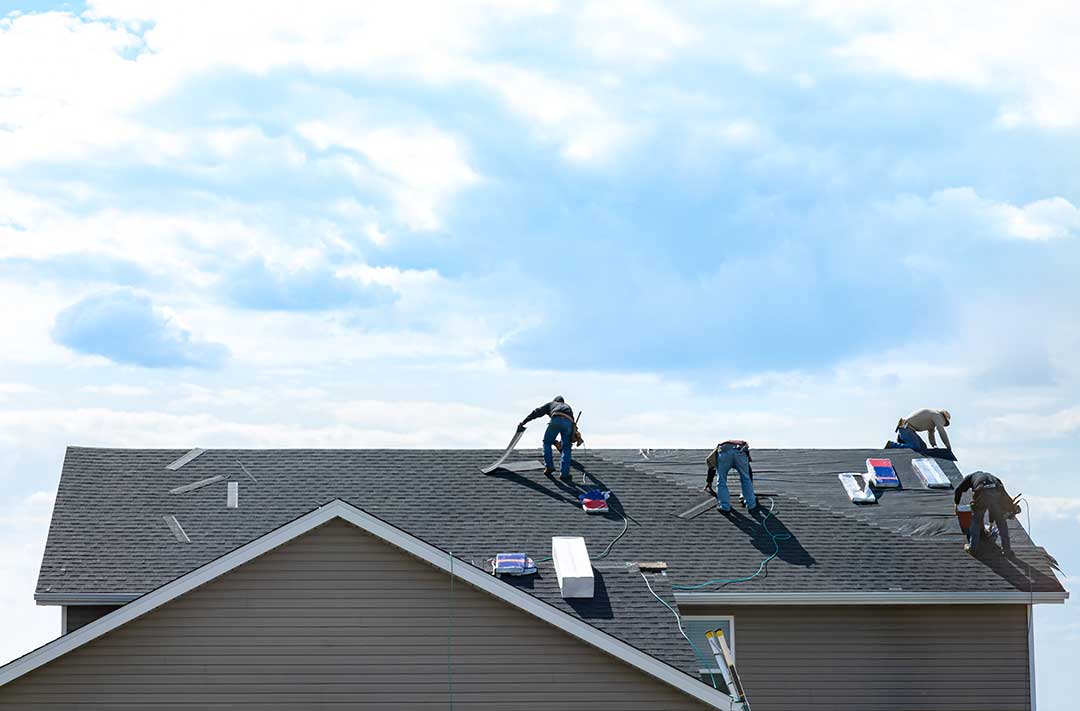
Do not walk on a roof to investigate unless the surface is designed for safe access and conditions are dry, stable, and appropriate. Wet shingles, steep slopes, frost, and hidden damage create fall hazards. Ladders should also be used carefully, particularly near icy ground or uneven landscaping.
Can a damaged shingle be repaired, or does the whole roof need replacement?
A single damaged shingle or flashing component does not automatically mean the entire roof needs replacement. Localized damage may be addressed by replacing the affected material, resealing a loosened section, or correcting a bent piece of flashing.
The appropriate response depends on:
- The size and location of the damage
- Whether the roof deck is wet or deteriorated
- The age and condition of surrounding materials
- Whether matching shingles are available
- Whether water has entered the attic or living space
- Whether damage is limited to the roof or includes gutters, siding, windows, or skylights
If several areas are damaged, the roof has repeated impact marks, or water is entering the home, the situation requires more careful evaluation. Temporary measures may be useful during wet weather, but covering a problem does not restore the roof’s water-shedding function permanently.
How can sports-ball roof damage be prevented?
Prevention starts with changing where and how balls are used. Keep active play away from roof edges, skylights, windows, and attached structures. A properly positioned net or backstop can reduce stray balls, provided it is installed securely and does not create a separate hazard during strong wind.
Other practical steps include:
- Use a designated play area with clear boundaries.
- Avoid batting practice toward any building.
- Keep ladders and loose equipment away from roofs.
- Teach children not to climb onto roofs to retrieve balls.
- Inspect nearby roofs after an unusually hard impact.
- Trim or reposition objects that encourage balls to bounce toward the house.
- Secure temporary sports equipment before strong wind or winter storms.
The goal is not to eliminate ordinary outdoor play. It is to reduce repeated impacts in places where a small defect can allow water into the structure.
For area households, roof maintenance should also account for seasonal stress. A roof that has been struck during summer may not show interior leakage until fall rain or winter thawing. Checking for visible damage soon after an impact can prevent a minor defect from becoming a concealed moisture problem.
