
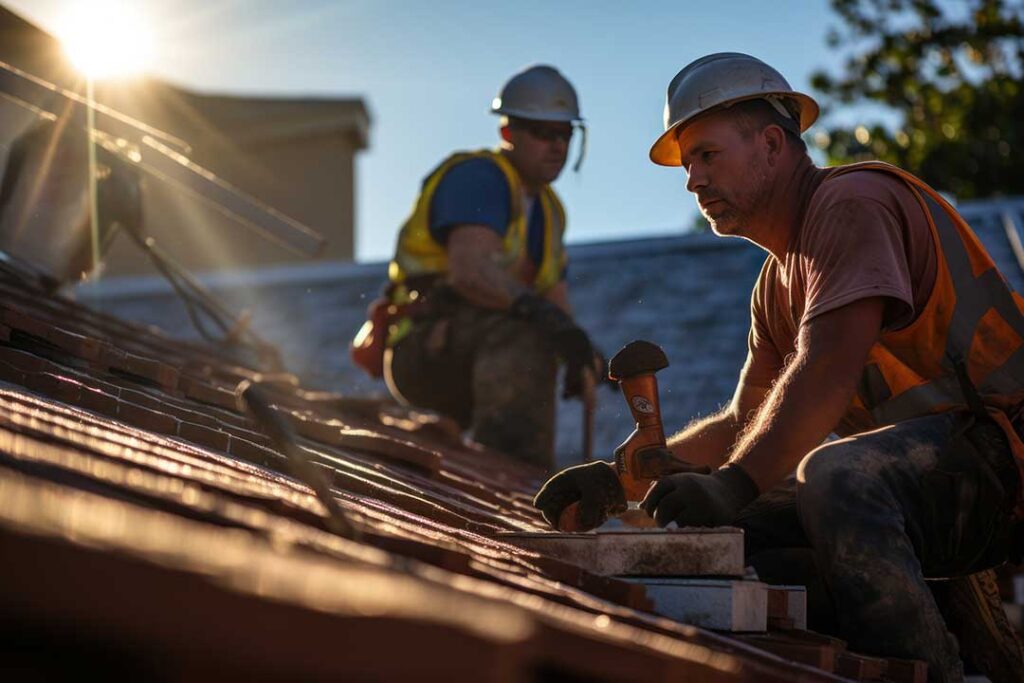
Can You Safely Do Roof Work Yourself in Phoenix, NY?
For many residents, the idea of doing minor roof work themselves is appealing—especially after a storm or during the yearly spring spruce-up. In Phoenix, NY, where weather swings between snowy winters and sunny, sometimes stormy, summers, roof maintenance is a common concern. The most important factor before climbing a ladder is determining if the job can truly be done safely and legally by a homeowner.
What Types of Roof Work Are Generally Considered Safe for Homeowners?
Basic tasks that don’t require special skills or exposure to significant hazards can sometimes be performed by homeowners. These usually include:
- Cleaning out gutters and downspouts when they’re safely accessible
- Removing small debris, such as sticks or leaves, from low-slope roofs using a secured ladder
- Inspecting for visible shingle damage or missing flashing with binoculars from the ground
- Checking attic spaces for water stains or mold after a rain
These tasks are typically safe if proper precautions are followed and the roof is easily accessed. More complex jobs—like replacing shingles, flashing, or repairing leaks—often involve greater risks and may not be advisable without training or proper equipment.
When Should You Avoid DIY Roof Projects?
If a task involves steep pitches, damaged structural elements, or electrical hazards (such as working near power lines or solar panels found on some area homes), it’s not safe to attempt without professional training. Also:
- Roofs higher than one story present a significant fall risk
- Soft or rotted decking means the roof could be unsafe to walk on
- Repairing storm damage after high winds or heavy snow may reveal hidden hazards
- Any work after recent weather events (ice, rain, heavy storms) can be slippery and unpredictable
Snow and ice buildup is particularly hazardous in the region’s long winters. The weight and slickness can catch even cautious residents off guard.
Are There Local Codes or Legal Issues to Consider in Phoenix, NY?
Most minor roof maintenance tasks can be done by homeowners on single-family properties in Phoenix. However, any work that alters the structure, changes materials (such as swapping out an entire shingle section), or involves significant repairs may require a permit according to local building department regulations. Local codes are in place to ensure work is safe and consistent with community standards. It is wise to check with the city’s code enforcement or building department before starting anything beyond basic maintenance.
What Safety Steps Are Essential for DIY Roof Work?
Even for small jobs, the following steps help reduce the risk of injury:
- Always use a sturdy, properly-placed ladder on level ground
- Ensure another adult is present when working on any roof
- Wear non-slip shoes and weather-appropriate clothing
- Avoid working on the roof during or right after rain, snow, or frost
- Inspect the roof surface for soft spots before stepping on it
- Keep tools secured and avoid carrying too much while climbing
- Do not lean over the edge or step on unstable surfaces
Insects (such as wasps under shingles or eaves) and sudden gusts of wind are also risks in Phoenix, especially during warmer months.
What Jobs Are Typically Too Risky or Complex for Most Residents?
While minor patching or shingle replacement may seem doable in online videos, Phoenix households typically face more safety risks—especially on homes with steep gables, aging structures, or previous repair issues.
Complex projects you should generally avoid without training include:
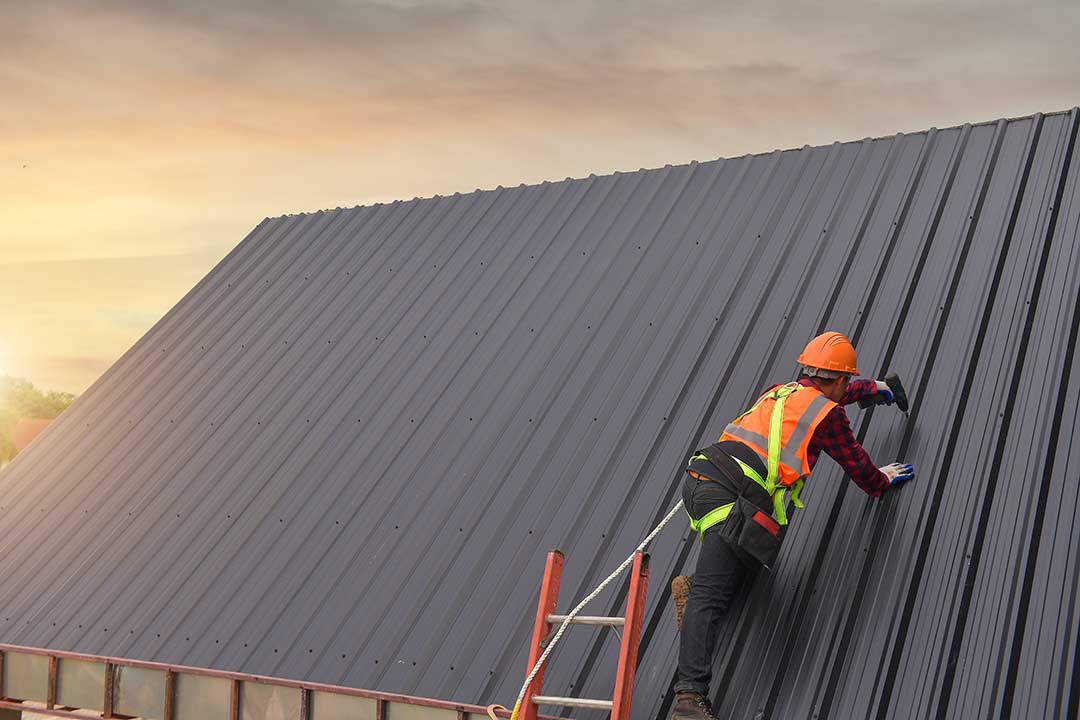
- Full roof shingle replacement
- Repairs involving electrical fixtures or vent pipes
- Large-area leak repairs requiring membrane work
- Structural fixes for sagging or water-damaged decking
- Ice dam removal from roofs above one story
Even plenty of so-called "simple" roof fixes can turn dangerous quickly if you’re not familiar with the materials and safety protocols.
What Are Some Common Myths About DIY Roof Work?
- “If I can get on the roof, I can fix it.” In reality, being able to access a roof safely is not the same as being able to make sound repairs.
- “Home insurance will cover mistakes.” Most homeowner policies do not cover damage caused by unlicensed or improper repairs.
- “A few missing shingles can be easily replaced.” Even minor repair jobs involve matching the underlayment, sealing new shingles, and integrating with existing layers—skills that take practice.
- “Roof work is only dangerous if it’s raining or icy.” More injuries occur on clear days from falls, tool mishandling, or unstable footing.
How Can Homeowners Evaluate If a Task Is Within Their Skills?
Before starting, ask:
- Do I have the right equipment to ensure safety?
- Can I access the area without stepping on damaged or unstable materials?
- Do I understand the repair process fully—including underlying issues?
- Is this job mentioned in local home maintenance guides as suitable for non-specialists?
If any step seems unclear, or if unknown damage is present (distinct soft spots, unclear leaks, electrical involvement), stopping for further research or consultation with public resources is the best course for both safety and long-term home integrity.
