
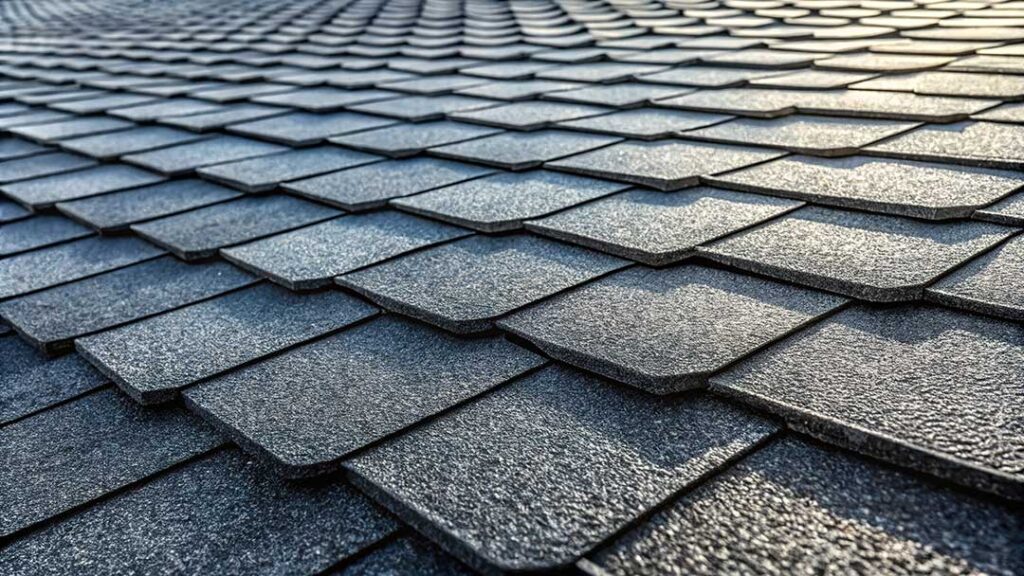
What Are the Visual Warning Signs of a Bad Roof Installation?
The first hint of roof problems is usually visual. Local residents often notice curling, uneven, or missing shingles long before a leak appears. In homes across Phoenix, a new roof should look smooth and uniform, whether it’s asphalt shingles or another common material.
Irregularities to watch for include:
- Shingles that appear misaligned, bunched up, or slanted
- Uncovered nail heads, which can rust quickly in the area’s wet springs and snowy winters
- Multiple colors or patchwork patterns on a brand new installation (unless intentional)
- Flashing at chimneys, vents, or valleys that seems loose or bent out of shape
Poorly installed roofs often ignore the natural flow of water, making homes in the city more vulnerable given the gradual warming in early spring and heavy snows typical near the end of winter.
Why Do Some Roofs Leak So Soon After Being Installed?
Leaks soon after replacement are rarely caused by material defects—most trace back to installation mistakes. For homeowners in Phoenix, the problem frequently comes from mishandled valleys (where two roof slopes meet) or around skylights and chimneys.
Common causes of early leaks include:
- Missing or short underlayment, leaving parts of the roof exposed to moisture
- Improperly installed flashing, which fails to divert water away from seams
- Inadequate sealing around roof penetrations (vents, pipes, satellites)
- Shingles nailed incorrectly, causing them to lift or allow water underneath
Given local weather, even a small mistake can become a major issue when snowmelt or storms send water into the layers below.
Can the Attic Reveal Installation Problems?
A quick look inside your attic can reveal issues not visible from outside the home. In Phoenix, where attic spaces experience all four seasons, even minor lapses in roof work become apparent quickly.
Signs to check for include:
- Wet insulation or dark stains on the underside of the roof deck, especially after rain or snow
- Visible daylight coming through the roof (even pinholes are a problem)
- Mold or mildew buildup, which thrives in damp, poorly ventilated spaces
If ice dams are common along your gutters during winter, that may be related to poor ventilation paired with shoddy roof assembly, especially in older area homes that have been reroofed multiple times.
Is Poor Ventilation Linked to Bad Roof Installations?
Yes. In many Phoenix homes, proper attic ventilation is tied directly to how the roof was put together. Blocked soffit vents, covered ridge vents, or missing gaps leave attics hotter in the summer and more prone to condensation in winter.
Symptoms of improper ventilation due to bad roof work:
- Ice buildup on roof edges (ice dams) during January and February
- Increased energy bills, as air conditioning or heating works overtime
- Curling shingles, as trapped heat or moisture distorts roofing materials
Neglected ventilation isn’t always easy to spot from the street but has a major impact on the longevity of your roof and the comfort of your home in all seasons.
Why Are Improper Nailing and Flashing Such Major Red Flags?
Incorrect nailing and sloppy flashing work are two of the most frequent—and avoidable—installation errors seen in Phoenix. Roofing nails set too high, too deeply, or in the wrong place may let shingles blow off during local windstorms or fail to resist long-term weathering.
Likewise, damaged or loose flashing materials leave natural entry points for water, contributing to leaks during rainy autumns or heavy snow melts.
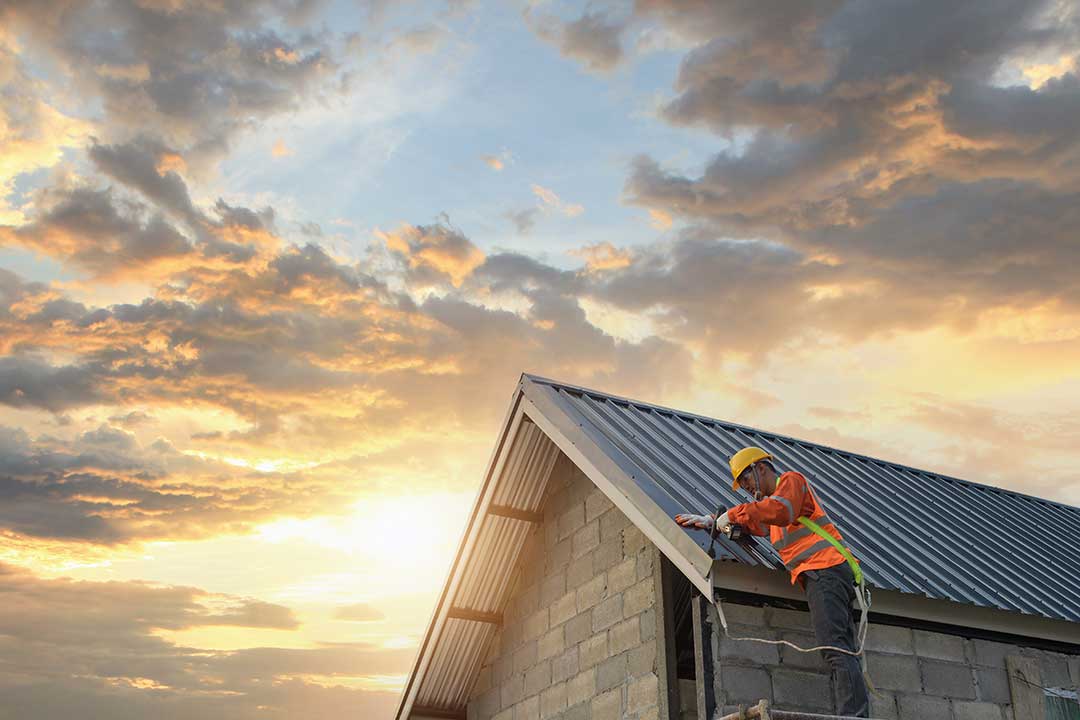
In practice:
- Nails should be flush to the surface, not overdriven or underdriven, and spaced as the shingle manufacturer specifies
- Flashing should extend far enough to divert water away from vulnerable areas (chimneys, roof joints), with no visible gaps or bends
These details matter more than many residents realize, especially during periods of weather volatility common to the region.
How Can Gutters and Downspouts Reveal Poor Roof Work?
Gutters that overflow, collect shingle granules, or pull away from the roof soon after a new roof is installed may signal improper installation techniques. In the city, where rain often comes in bursts, well-aligned gutters and spouts are essential to protect foundations and landscaping.
Residents sometimes overlook the following:
- Gutters filled with excessive shingle grit shortly after installation, sometimes due to excessive handling or damaged product during install
- Water spilling behind gutters, suggesting issues with drip edge placement
- Downspouts that do not extend far enough from the foundation, increasing the risk of water pooling near basements or crawl spaces
Paying attention to these runoff patterns after your next major storm can provide early evidence of roof-related issues before they reach the home’s interior.
What Are Frequent Local Misconceptions About Newly Installed Roofs?
One common misconception among new homeowners in Phoenix is that a new roof should mean total peace of mind for decades. While quality workmanship delivers long life, even small oversights can cause early trouble, especially where temperature swings or persistent dampness test every joint, seam, and nail.
Additional misconceptions include:
- “A roof leak only comes from above.” In reality, water can travel along rafters or insulation well away from the original problem area.
- “All shingle patterns look slightly uneven.” Modern shingles, when installed correctly, should line up almost perfectly. Visible unevenness is usually a warning sign.
- “Older homes just tend to leak.” While age can be a factor, many leaks stem from how the most recent layer was put on, not just the age of the building itself.
Recognizing these misunderstandings helps area residents judge when proactive attention is needed.
How Quickly Should Problems Be Evaluated?
Any visible irregularity, water intrusion, or clear signs of mishandled materials should be checked as soon as practical, especially before Phoenix’s rainy seasons in spring and fall. While some imperfections are cosmetic, many small errors grow into expensive repairs if left alone through another year of weather extremes.
