
What Is a Cool Roof and How Does It Work?
A cool roof is designed to reflect more sunlight and absorb less heat than a standard roof. In Phoenix, NY, this means a layer of specialized materials or surface treatments—often in lighter colors or with reflective coatings—directly reduces the amount of solar heat transferred into homes.
Cool roofs use advanced materials that:
- Reflect a higher percentage of ultraviolet (UV) and infrared sunlight
- Radiate absorbed heat away from the building more efficiently
The result is a roof that maintains a cooler surface temperature, which can be especially helpful during warm and sunny conditions typical of late spring through early fall in central New York.
Will a Cool Roof Make My Home More Comfortable in Phoenix, NY?
A cool roof offers tangible cooling benefits for many area homes, especially in the upstairs rooms or attic spaces. By reducing roof surface temperatures, less heat transfers inside. This can be noticeable in homes with poor attic insulation or where bedrooms are located directly under the roof.
For local residents, this may translate into:
- Lower indoor air temperatures during sunny days
- Reduced “hot spots” in upper floors or converted attic spaces
- Smaller temperature swings during shoulder seasons
In humid periods, when air conditioning use increases, cool roofs can make these systems work less intensively. On days with sustained sun, the difference in comfort can be quite clear compared to a standard dark-shingle roof.
Do Cool Roofs Lower Energy Bills in Phoenix, NY?
Cool roofs can decrease the need for air conditioning, particularly during hot spells and muggy periods typical of midsummer in the area. By limiting heat entering the home, the attic and top floor spaces stay cooler, leading to less frequent or shorter AC cycles.
However, the amount of energy savings depends on:
- The style and insulation of the home
- Roof slope and sun exposure
- Local tree shading and neighborhood density
In single-family homes with large sun-exposed roofs and older insulation, savings can be significant over time. For shaded buildings, or homes with highly efficient attic insulation, savings may be less pronounced. Most importantly, any reduction in peak electricity demand is useful in a region where summer storms or heat waves can stress local utilities.
Are Cool Roofs Suitable for the Climate in Phoenix, NY?
A common question is whether cool roofs work as well in climates with cold winters. While they offer clear benefits in summer and during warm spells, their impact in winter is neutral to slightly positive. Most heat loss in the colder months happens as a result of poor attic insulation—not through roof surface temperature.
In Phoenix, typical winters include snow cover, which acts as natural insulation. During those months, snow itself has a high reflectivity, so cool roof benefits are less relevant. However, cool roofs do not increase winter heating costs in properly insulated homes, and do not interfere with standard snow-shedding or ice dam prevention techniques.
How Do Cool Roofs Perform in Severe Weather?
Phoenix experiences a range of seasonal weather, from summer storms to winter ice. Cool roofs are made with durable materials designed to withstand local conditions, including:
- Asphalt shingles with reflective granules
- Metal panels with baked-on reflectivity
- Membrane roofs for flat structures, designed for both HVAC support and reflectivity
During hail or wind events, a cool roof with proper installation performs as reliably as a standard counterpart. In fact, some reflective coatings may provide added UV protection, helping to slow general weathering.
Are There Long-Term Maintenance Impacts?
Switching to a cool roof in the area does not typically require major changes to routine maintenance. However, there are a few local considerations:
- In sections with tall trees, pollen and leaf debris may settle and reduce reflectivity; periodic rinsing can help
- Lighter colors sometimes show algae or mildew growth more quickly, but most cool roofing materials are treated to resist this
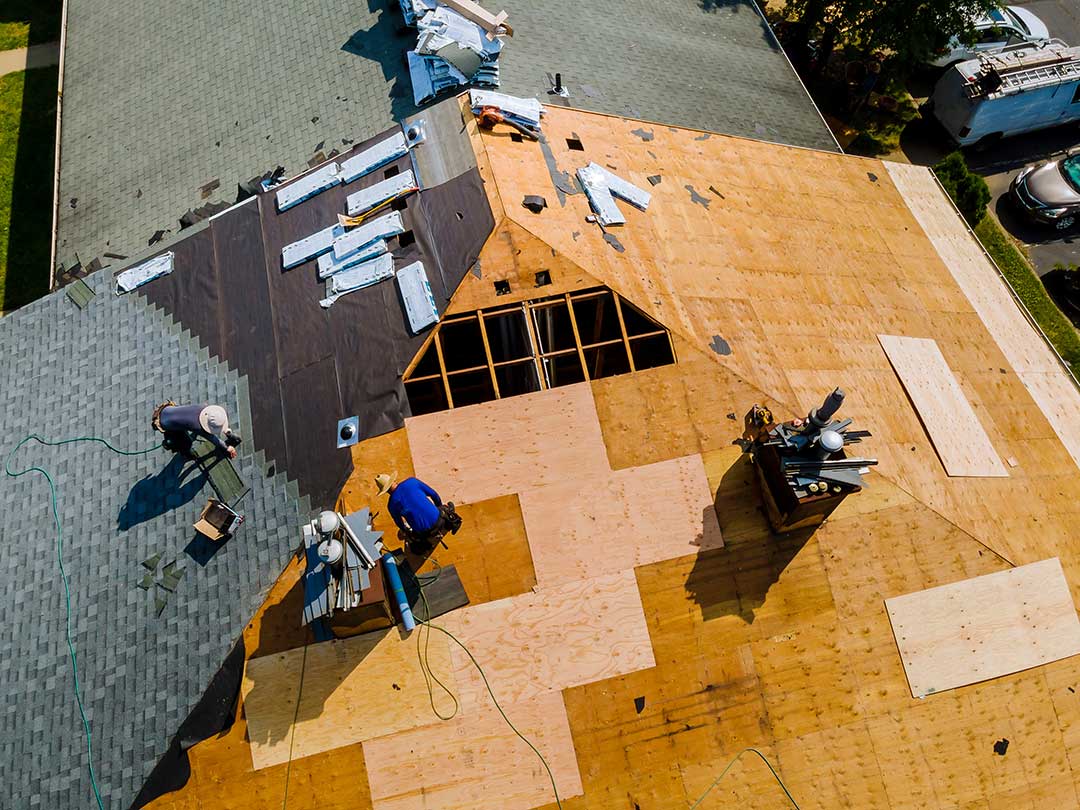
- Cleaning or repairs should always follow best practices for roof safety
Proper ventilation and insulation in the attic remain essential for roof health, regardless of roofing type.
What Types of Homes or Buildings Benefit Most?
Cool roofing is especially practical for:
- Residential homes with low or medium-pitch roofs that get several hours of direct sun
- Multi-family buildings and community facilities with unshaded, expansive roof surfaces
- Older homes where upper floors tend to overheat in the warmer months
Homes with heavy tree cover or shaded roofs may see smaller differences but still benefit from improved material longevity and potential utility grid impacts.
Are Cool Roofs Environmentally Friendly for the Community?
By reducing peak electricity use during air conditioning season, cool roofs contribute to local energy stability. Lower demand means less stress on power plants and the grid, especially during summer heat waves. Area adoption—even in small numbers—can help limit local heat buildup, which benefits both homeowners and public spaces.
Additionally, many cool roofing materials contain recyclable or long-lasting components, reducing waste over time and supporting greener community development.
What Should Residents Consider Before Choosing a Cool Roof?
Local households curious about making the switch should consider:
- The age and style of their current roof
- Local homeowners’ association or building codes (reflective materials are generally approved in the region)
- Whether the roof’s sun exposure justifies the change
- Compatibility with other home energy efficiency upgrades
Most cool roofing materials are widely available for use in this region and can be matched in both appearance and durability to standard options.
