
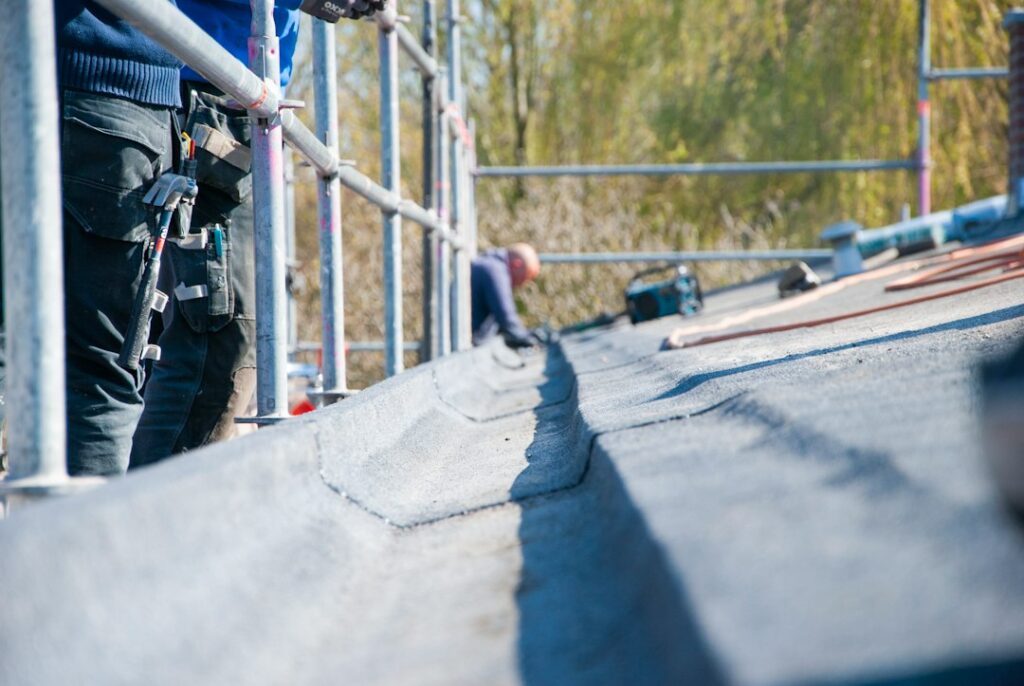
A roof repair is rarely just a matter of finding the lowest price. The right roofing company should be able to explain the problem clearly, document the proposed work, follow safe practices, and provide terms that are easy to understand.
For homeowners in Phoenix, NY, weather exposure deserves particular attention. Snow, ice, freeze-and-thaw cycles, wind, heavy rain, and summer heat can all affect roofing materials and reveal weaknesses around flashing, chimneys, vents, valleys, and roof edges.
How can a homeowner tell whether a roofing company is qualified?
A qualified roofing company should be able to describe its experience with the type of roof, repair, and weather conditions involved. It should also provide basic business information without hesitation.
Before discussing price, ask for:
- The company’s legal business name and contact information
- Proof of liability insurance
- Workers’ compensation coverage if employees will work on the property
- Evidence of any required local or state registrations
- Names of recent customers who agreed to serve as references
- A written description of the proposed repair
Insurance matters because roof work involves fall hazards, ladders, sharp materials, and potential damage to the home. A homeowner should not assume that a company’s insurance covers every worker or subcontractor on the project. It is reasonable to request current documentation and verify that the coverage applies to the work being performed.
Experience also needs to be specific. A company that mainly installs new roofs may not approach leak tracing, isolated shingle damage, flashing failures, or concealed moisture problems in the same way as a repair-focused contractor.
What should a roofing inspection include?
A useful inspection should identify the likely source of the problem, not merely point to the place where water appeared indoors.
Water can travel beneath roofing materials before entering an attic or ceiling. A stain near a wall or light fixture may originate from a roof penetration, valley, chimney, vent, or damaged flashing located several feet away.
A careful inspection may include:
- The exterior roof surface
- Shingles, panels, or other covering materials
- Flashing around penetrations and roof intersections
- Valleys, ridges, eaves, and rake edges
- Gutters and downspouts
- Attic insulation, ventilation, and visible moisture
- Signs of rot or structural deterioration
- Previous patches or layers of roofing material
The inspection should result in a plain-language explanation. Be cautious if the company recommends extensive work without showing the affected area, explaining the cause, or distinguishing confirmed damage from possible damage.
Photos can be helpful, especially when conditions make it unsafe for a homeowner to access the roof. However, photographs should support an explanation rather than replace one.
Should several roofing companies be compared?
For most non-emergency repairs, comparing at least two or three written proposals can reveal whether the recommendations are consistent. The goal is not simply to collect the lowest number. It is to understand why the proposed scope and price differ.
Proposals should describe:
- The suspected cause of the problem
- The exact area to be repaired
- Materials to be used
- Whether damaged decking, insulation, or flashing is included
- Cleanup and disposal responsibilities
- The expected work schedule
- Payment timing
- Warranty terms
- Procedures for unexpected conditions
A low proposal may exclude important work, while a high proposal may include replacement that is not necessary. Comparing the details line by line is more useful than comparing totals alone.
A repair that appears inexpensive may become more costly if the company discovers rotten decking, inadequate flashing, hidden moisture, or multiple layers of old roofing. The written agreement should explain how additional work will be handled and whether written approval is required before the cost changes.
What questions should be asked before signing a contract?
A homeowner should understand who will perform the work, how long it may take, and what happens if weather interrupts the project.
Useful questions include:
- Will the company’s own employees perform the work, or will subcontractors be used?
- Who will supervise the crew?
- How will the property be protected during the repair?
- How will nails, shingle fragments, and other debris be removed?
- What happens if rain or snow delays the work?
- Will attic ventilation or insulation be affected?
- Does the repair warranty cover labor, materials, or both?
- How are warranty claims handled?
- What payment is required before work begins?
- Is a building permit or inspection needed for this type of repair?

A contract should identify the company, property, scope of work, materials, price, payment terms, and warranty language. Verbal promises that do not appear in the contract can be difficult to enforce later.
Are online reviews enough to choose a roofing company?
Online reviews can provide useful clues, but they should not be treated as proof of quality. Reviews may describe communication and cleanup well while revealing little about technical workmanship or how the company handled a warranty issue.
Look for patterns rather than isolated comments. Repeated concerns about unexplained price increases, missed appointments, poor cleanup, or difficulty reaching the company deserve attention. At the same time, a small number of reviews may not reflect the company’s current staff or practices.
References are more useful when questions are specific. A former customer might be asked whether the final scope matched the contract, whether the crew protected landscaping and siding, whether the repair solved the original problem, and whether follow-up concerns were addressed.
What warning signs suggest a roofing company should be avoided?
Several warning signs deserve caution:
- Pressure to sign immediately
- Requests for full payment before work starts
- Vague descriptions such as “fix roof” without a defined scope
- No written contract
- Refusal to provide insurance information
- Unexplained changes between the inspection and proposal
- Claims that every roof problem requires complete replacement
- Recommendations based only on an indoor stain
- Door-to-door pressure after a recent storm
- A request to pay in cash without a detailed receipt
Storm-related demand can make rushed decisions more likely. A homeowner can usually take time to compare documentation unless there is active water entry, exposed structural damage, or an immediate safety risk.
When is a roof repair an emergency?
Active water entering the home, a partially collapsed roof, exposed electrical components, large sections of missing roofing, or loose materials that could fall may require prompt action.
Until the issue is assessed, keep people away from unsafe areas, place containers under active drips when practical, and avoid climbing onto the roof. Wet ceilings can become heavier and may fail without much warning. Electrical hazards can also develop when water reaches fixtures, wiring, or outlets.
Temporary measures may reduce additional damage, but they are not always a permanent repair. The company should explain whether its work is intended as emergency stabilization, a lasting repair, or an inspection followed by additional work.
How can Phoenix, NY homeowners account for local weather?
The local climate makes seasonal timing and moisture management relevant to roof repairs. Snow and ice can conceal damaged shingles or flashing, while repeated freezing and thawing may enlarge small openings. Wind can loosen materials at edges and around penetrations, and clogged gutters can contribute to ice buildup or water backup.
A roofing company should consider:
- Whether the roof is dry and safe enough to repair
- How cold temperatures affect sealants and roofing materials
- Whether snow or ice must be removed before inspection
- Whether attic ventilation is contributing to condensation
- Whether gutters and drainage paths are functioning properly
- Whether older repairs have failed after repeated seasonal movement
The most reliable choice is usually the company that gives a clear diagnosis, provides a detailed written scope, verifies insurance, communicates limitations, and treats safety as part of the repair rather than an afterthought.
